Mental health worldwide: a snapshot of the situation for women
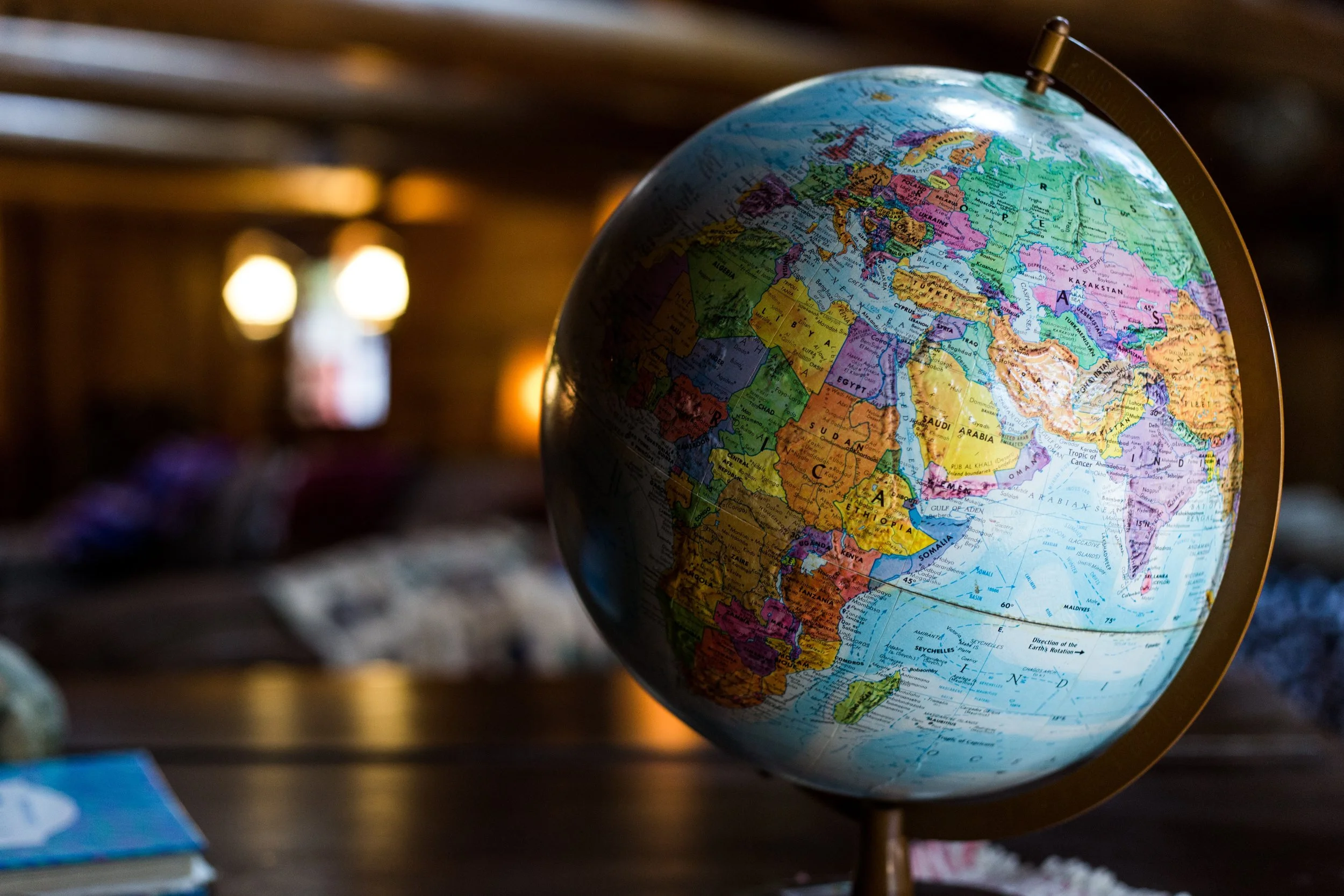
Mental health worldwide
A snapshot of the situation for women around the world
Mental health problems have a profound impact on men and women everywhere—indisputable. But these problems weigh most heavily on women; globally, depression alone is responsible for more healthy years lost than HIV or malaria in women of all ages. Major depressive disorder was the fifth highest leading cause of premature death and disability among women globally in 2010.
Nearly half of adults surveyed in the 2014 Adult Psychiatric Morbidity Survey (APMS) believe that, in their lifetime, they have had a diagnosable mental health problem, yet only a third have received a diagnosis. Women between the ages of 16 and 24 are almost three times as likely to experience a common mental health problem than their male contemporaries and have higher rates of self-harm, bipolar disorder and PTSD.
Women’s mental health across their lifespan is also characterised by higher prevalence of dementia due to their greater life expectancy.
Overall, rates of psychiatric disorder are almost identical for men and women, but there are some striking gender differences. Part of this stems from the differential power and control men and women have over the socioeconomic determinants of their mental health: women are exposed to gender-based violence, socioeconomic disadvantage, low income and income inequality, lower social status, and frequently have the sole responsibility in caring for others. Not to mention, the high prevalence of sexual violence to which women are exposed and the correspondingly high rate of PTSD (post-traumatic stress disorder) following such violence makes women the largest single group of people affected by this disorder, according to the World Health Organization (WHO). WHO also says reducing the number of women who are depressed would ‘contribute significantly’ to lessening the global burden of disability caused by psychological disorders. Ladies, if you’re depressed, you are most certainly not alone.
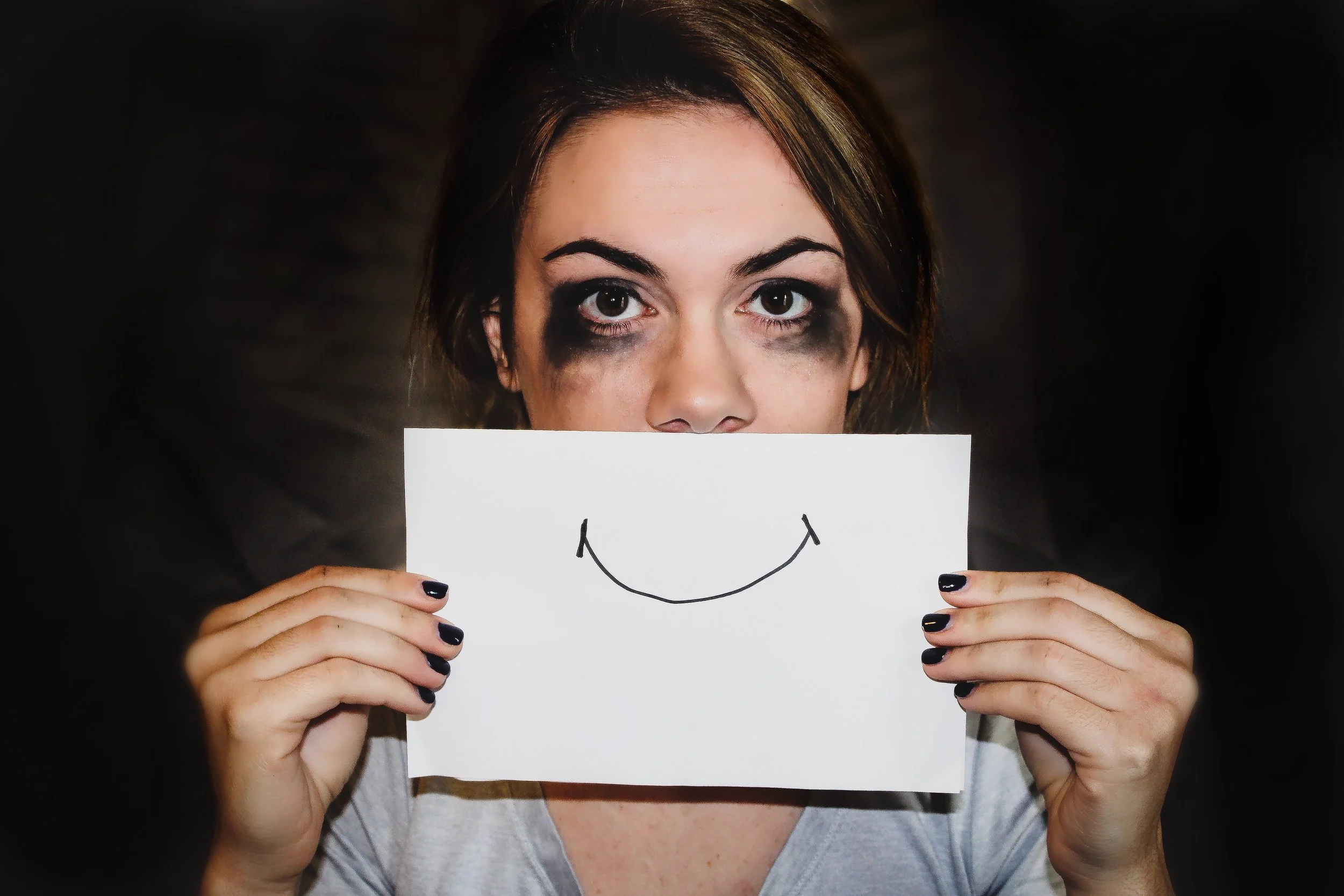
Interestingly though, research shows women are more likely to receive treatment for their mental health concerns; and women are more likely to receive a diagnosis for depression than men, even if they score the same on tests for depression. A fifth of men have had diagnoses confirmed by professionals, compared to a third of women. For anxiety, the trends persist: women are almost twice as likely to be diagnosed with anxiety disorders than men.
Evidence suggests 12.7 percent of all sickness absence days can be attributed to mental health conditions, with mental health the second leading cause of absenteeism after lower back pain. Women in full-time employment are twice as likely to have a common mental health problem as full-time employed men, and one in five of those who disclosed their mental health problems to their employers felt they had been sacked or forced out of their jobs as a result.
Then, there are the uniquely female mental health experiences: postnatal depression affects one in eight women, with 40 percent of women in the UK unable to access specialist perinatal mental health support.
Mental health cannot be understood properly without taking gender into account; fairly consistent across all cultures is a distinct difference between women and men’s access to economic resources and decision-making authority, both of which contribute to the socioeconomic determinants of mental health. The overall vulnerability to mental illness for women and girls must be accounted for in part by women’s greater likelihood of being subject to unequal power relations. It’s clear women’s mental health is grounded in the lived experience of mental illness in an inexorably entangled nexus of culture, power, and gender.




In the United Kingdom, the United States, and Australia, one in five women will experience sexual violence in their lifetime but 95 percent of survivors don’t report their experiences. Not officially, anyway.