The influencer influence
In days gone by, fashion trends were introduced to the public with the help of catwalk shows and fashion magazines because fashion was an exclusive, elitist pursuit. The only influencers in the industry were the designers and the fashion editors.
Fast forward to 2019 and it’s a very different world. Social media has taken over fashion and influencers hold as much—if not more—sway as the sartorial elite.
As people now have the opportunity to decide the type of content they want to expose themselves to, social media has more success connecting brands with people than the catwalk or glossy magazines of yesteryear.
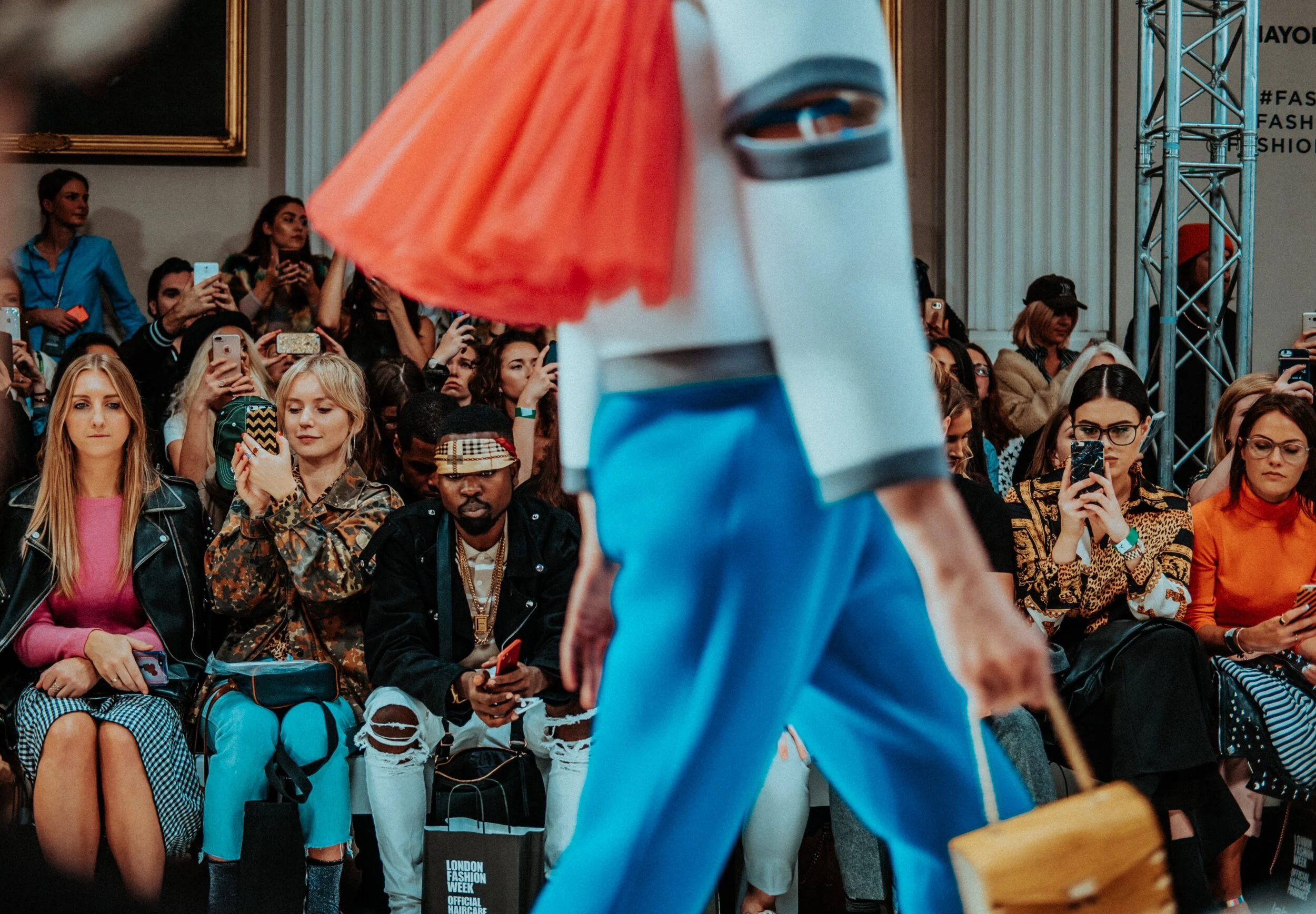
Fashion show front rows have changed since days gone by.
Promoting products via social media influencers is a form of subconscious marketing as advertisers seek to shape our thoughts and behaviour without us even realising it. And it works. The largest platform for influencer marketing is Instagram, which saw 25 million brand sponsored influencer posts in 2018. That’s a $1.7 billion market.
With an immense internet following, influencers can influence: it’s that simple. They shape their audience’s opinions on matters with a single photo of a delicately posed vitamin gummy or a caption carefully crafted to offer trustworthiness, expertise, similarity. Influencers—they’re just like us!
Fashionistas need a large following to influence people.
One of the key elements to perceived power, according to French and Raven’s 1960 framework of power bases, lies in expertise. A fashion blogger whose feed depicts them backstage at runway shows with the latest ‘it’ bag dangling from one arm will be perceived to have more authority when it comes to what’s in style than a blogger sharing family recipes.
Plus, the notion that others value their opinion assures everyone else that copying this influencer is the right course of action. If the millions of followers and thousands of likes are any indication, if the majority of people are doing something, it must be a good product.
Fashion is one of the major culprits for exploiting attractiveness bias too. We all know that sex sells—there are innumerable examples of adverts featuring a starlet or too recommending all manner of products in various stages of undress—and we know that the fashion industry is the gold standard for the female image. Attractive and charismatic people lead to positive associations between the person and the brand, which influences the public subconscious.
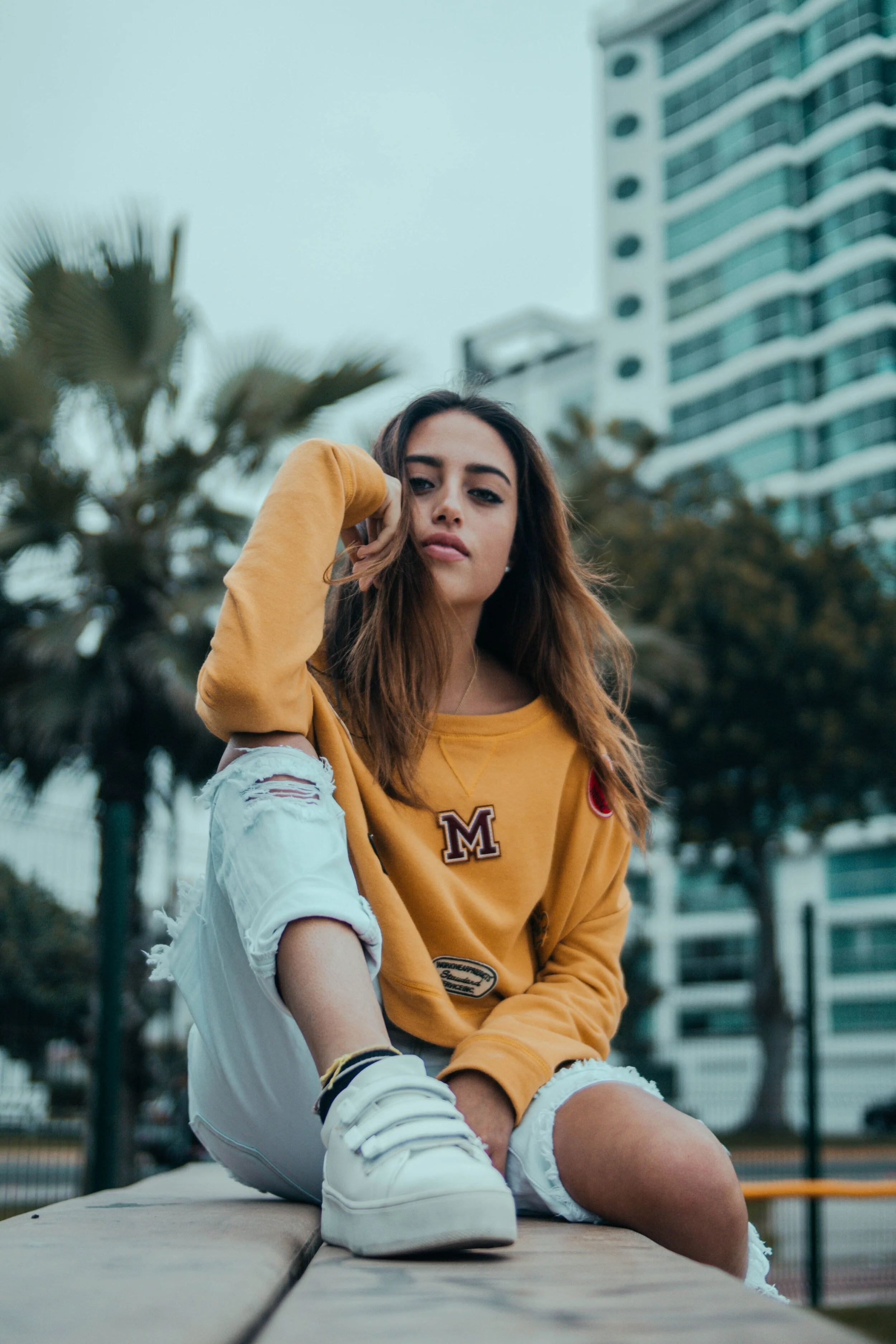
Fashion bloggers offer expertise as well as style.
But it’s their relatability that cinches it in favour of the influencer. Waiflike models are untouchable, they’re the pinnacle of the fashion world, but an Instagram influencer can be contacted with a single tap. They post about their daily lives, stay connected with their followers and interact with them directly. They’re normal—they’re just like us!
They also combine high fashion with street style to offer wardrobe inspiration not found elsewhere. Normal people can’t afford to deck themselves out in all branded items; rather, you might have a designer handbag paired with high street clothing. The only people showing you how to do this are fashion bloggers. They show trends in a more relatable way which appeals to more people. Instead of wearing pink because some design paid a big publication to tell you that’s the season’s trend, let some influencers show you how they blend a little colour and girliness into their normal style.
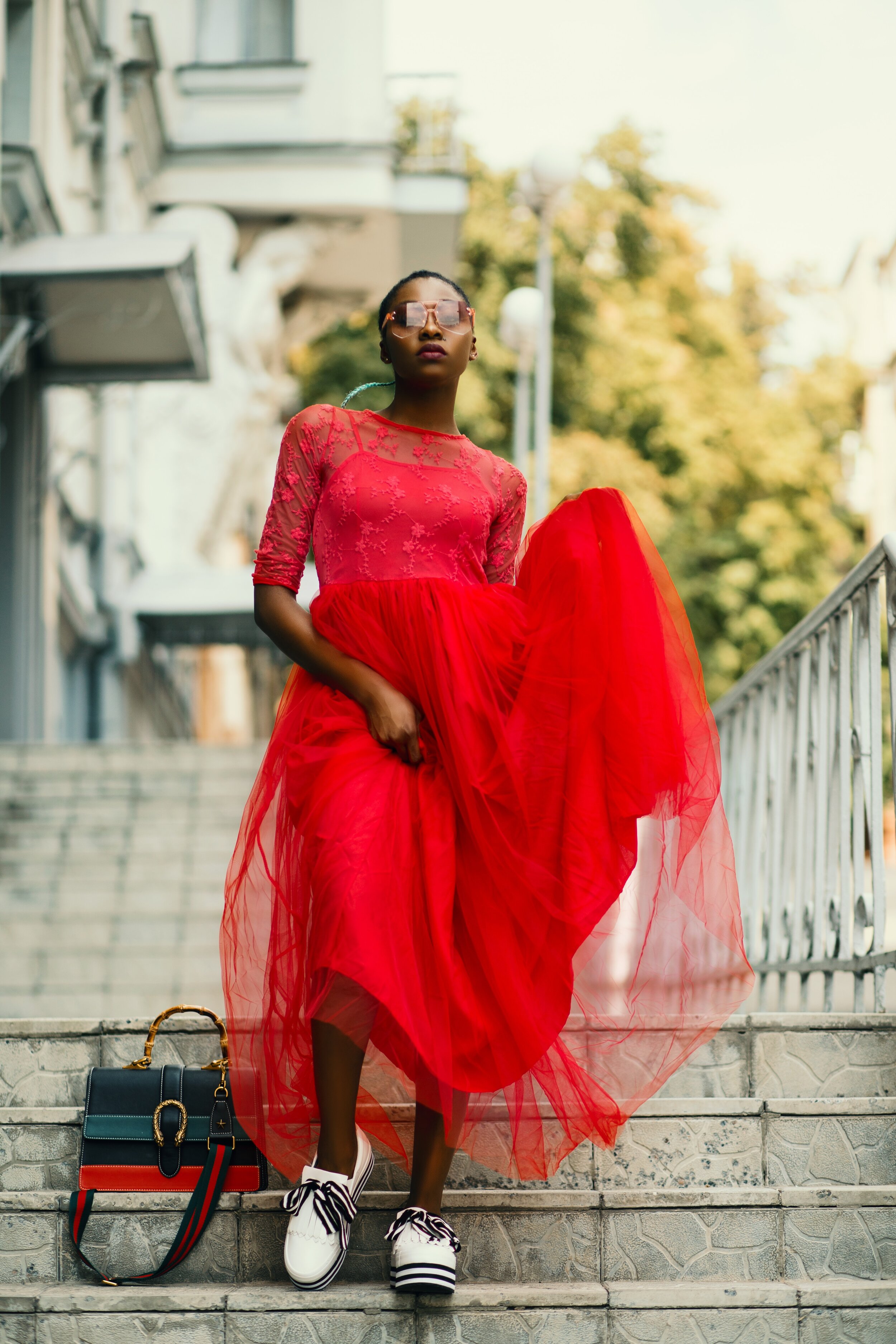
It’s relatability that cinches it in favour of the influencer.
Social media also moves much faster than Vogue ever could. People are hungry for immediacy. A quick scroll of Instagram feeds that desire instantaneously, making waiting a month for the next edition of a print publication glacial in comparison. It may take plenty of effort to choose an outfit, set up a shoot and edit the perfect shot for an Instagram feed, but that’s nothing compared to how much goes into a magazine shoot.
Thanks to influencers using social media platforms to share their insights and opinions, we no longer have to wait for print magazines or designers to release photographs of their work or the latest designs from Fashion Weeks around the world. Influencers offer us non-stop coverage on Instagram, Twitter, and Snapchat. Influencers offer speed.
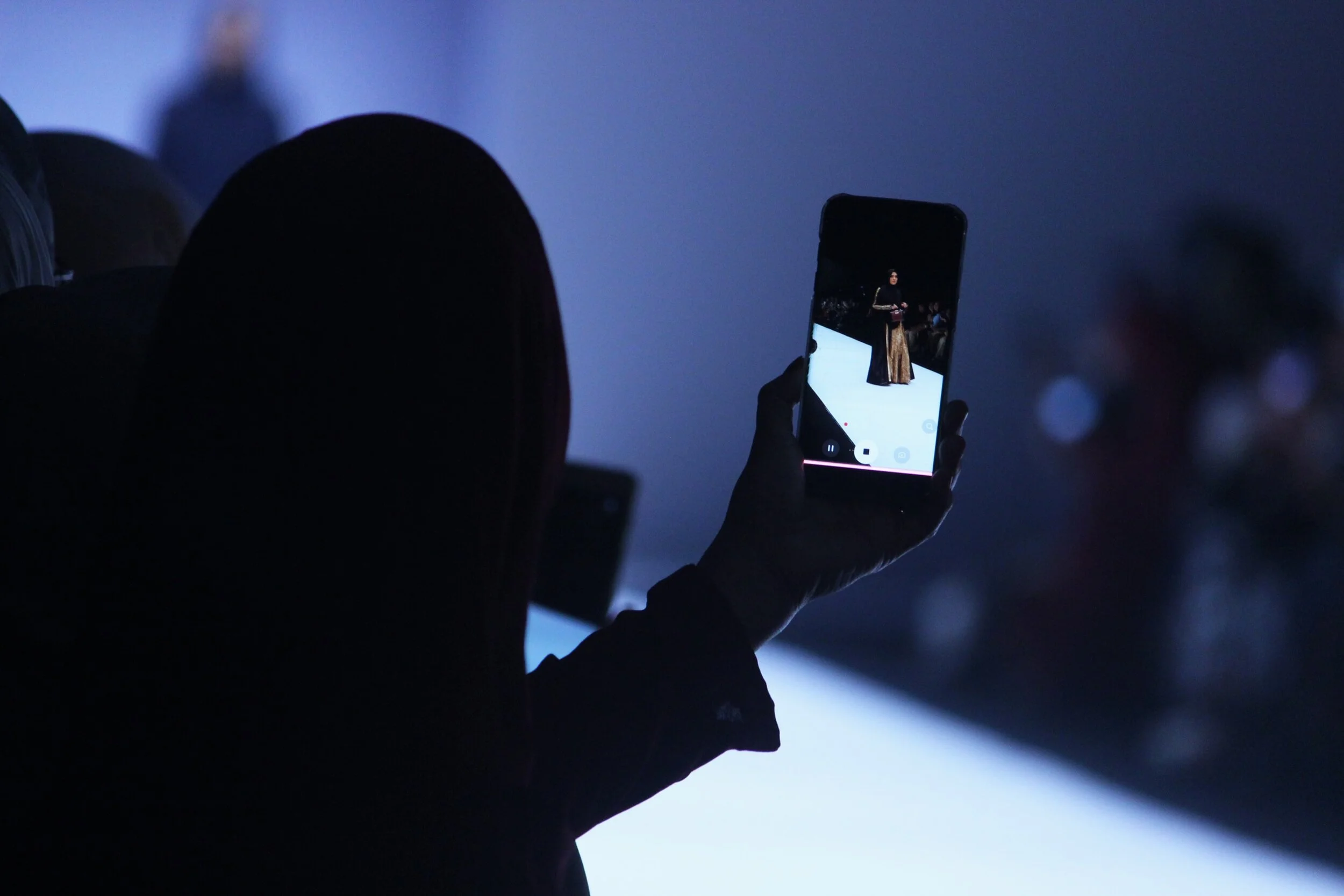
Influencers offer us non-stop coverage on social media.
Influencers also offer flexibility and swift innovation. A fashion editor’s job is to deliver a vision of the fashion industry according to the tone and viewpoint of a certain magazine; there’s little scope to venture outside this carefully dictated style. An influencer can incorporate multiple trends at once, react quickly to a new style, and even completely revamp their whole look without nearly as much backlash or tiptoeing as a magazine would require.
Influencers force diversity on an industry dominated by whiteness. While people of colour and different abilities and sizes are increasingly being hired as models and appearing on magazine covers, the prevailing image is still of the skinny, tall, white girl. In an industry saturated with homogeneity, diverse influencers offer a breath of fresh air and much needed representation. Brands that bypass inclusion alienate young consumers who turn to social media to find people to follow; so continues the rise of the fashion influencer.
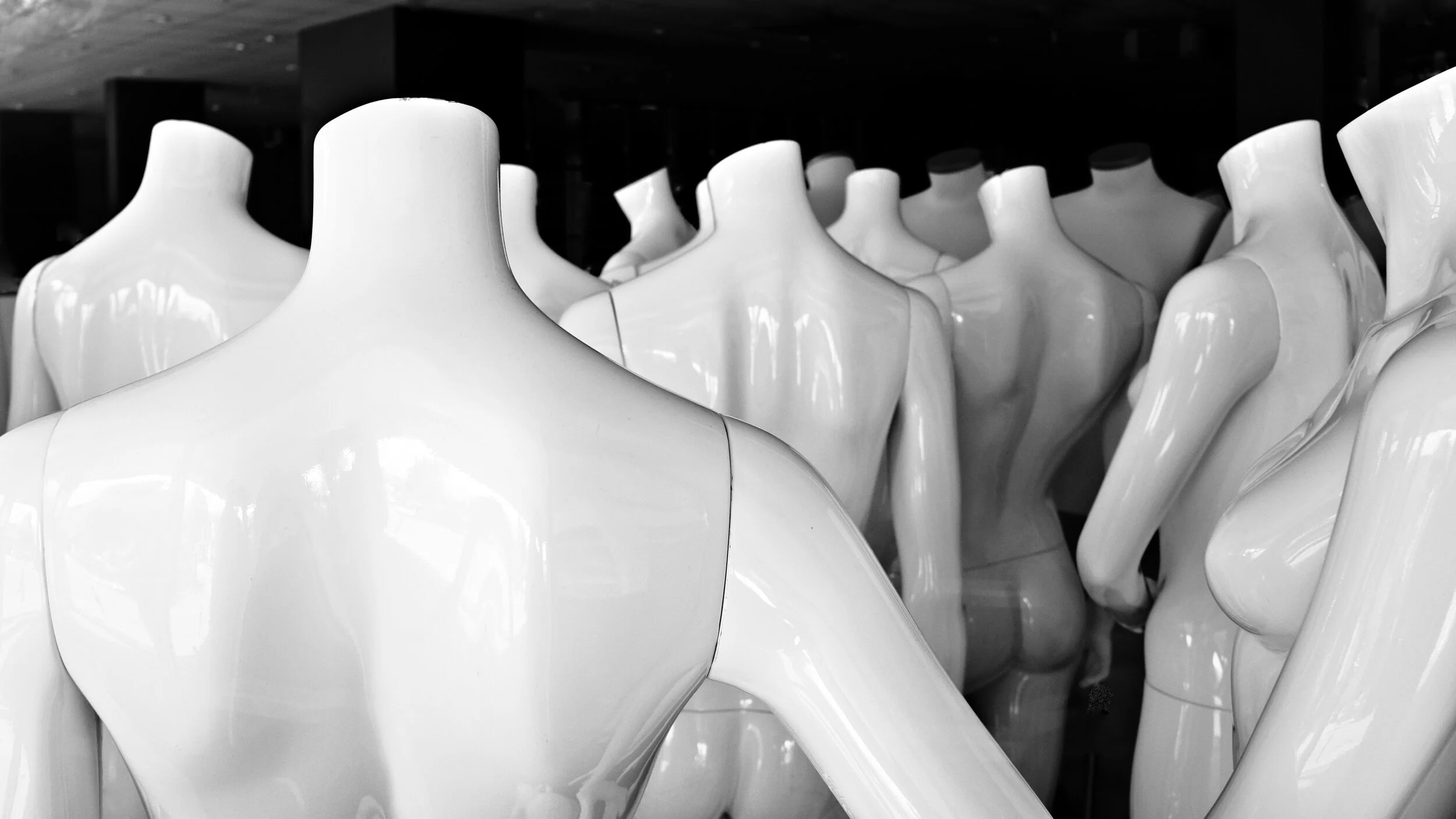
Influencers also force diversity on an industry dominated by whiteness.
Aspirational content is no longer accepted by the public; people don’t want to be told they should aspire to be white, skinny, tall or feminine. The demand for authenticity is the rallying cry now.
The fashion industry is no longer governed by fashion editors. The catwalk front rows feature a mix of celebrities, stylists, influencers, bloggers, critics, and more. The accessibility of voicing your opinion about fashion has birthed a new crop of fashion influencers, and democratised a traditionally elitist and stuck-up industry. ■